Rock formations
This page features 88 photographs of rock formations. The photographs show landforms shaped by natural processes. Many images highlight the varied textures and colors of natural rock. These formations appear in different environments, including deserts and mountains. They show how wind and water change the landscape over time.
88 photographs
Page 1 of 4
Page 1 of 4
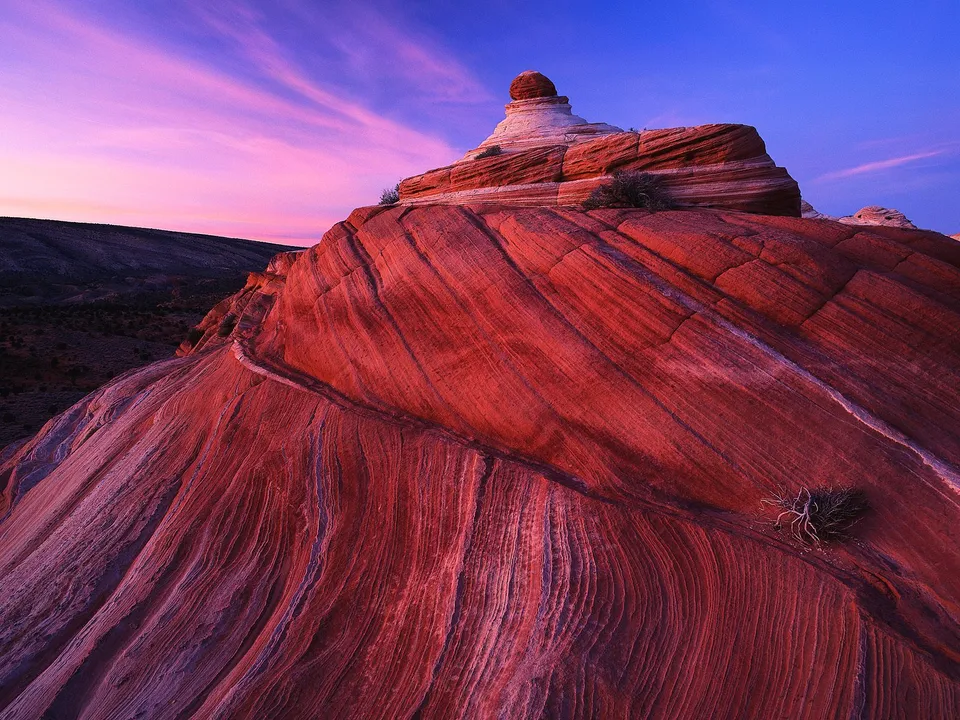
Vibrant Sandstone Formations Under A Twilight Sky
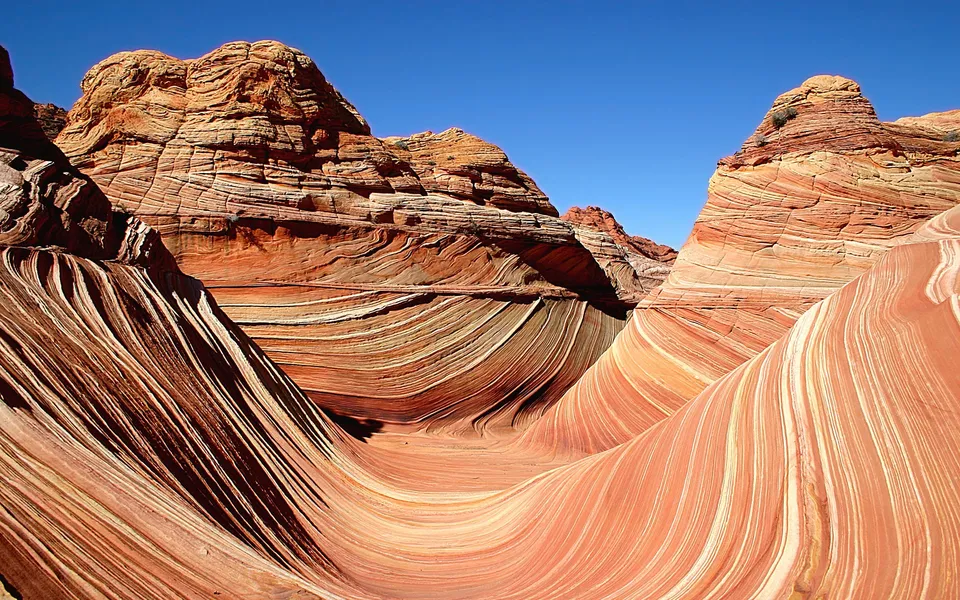
The Swirling Sandstone Formations of The Wave
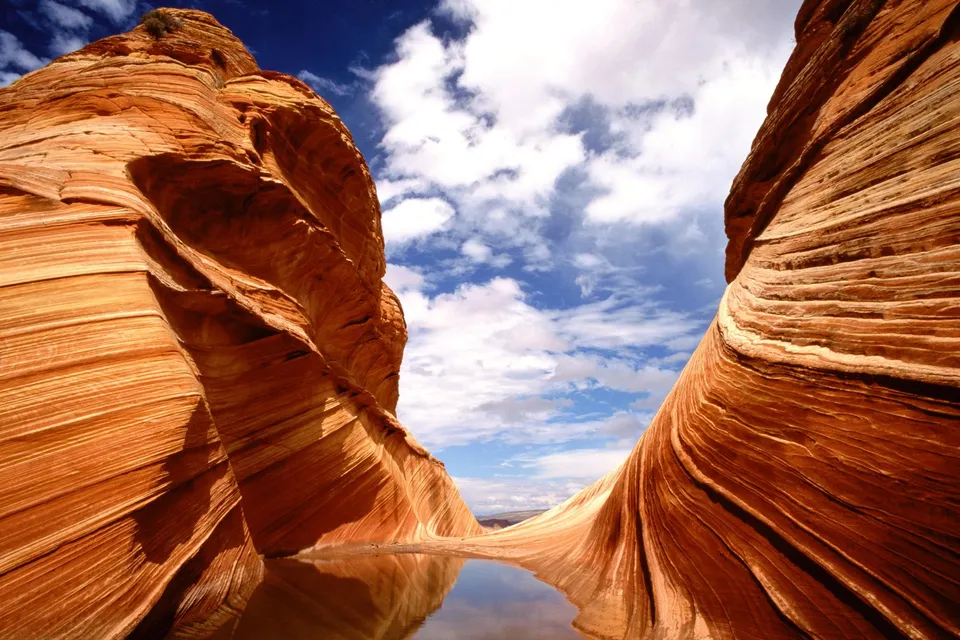
The Wave Sandstone Formation in Utah
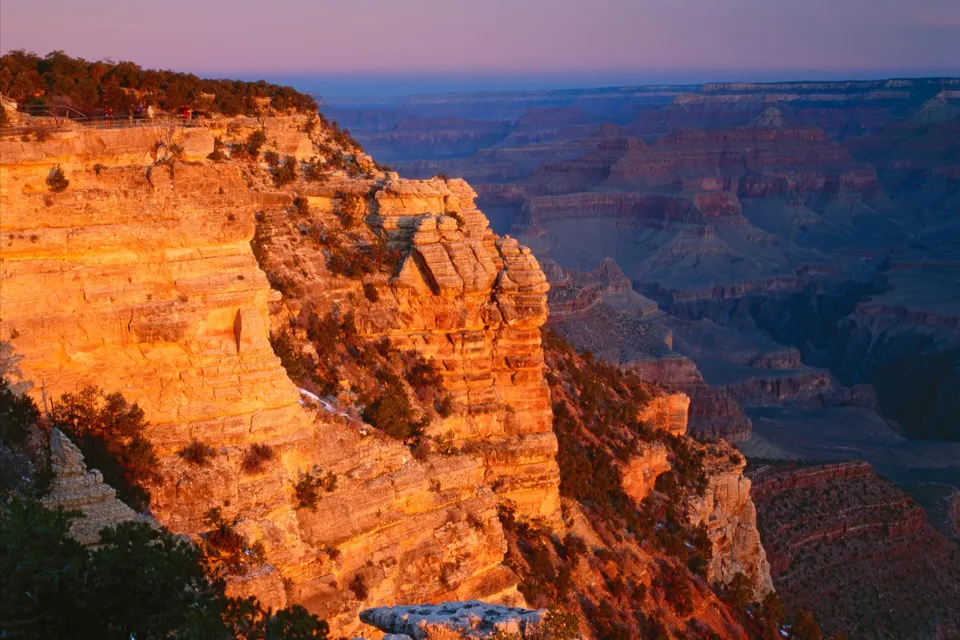
Grand Canyon Sunrise Over Mather Point
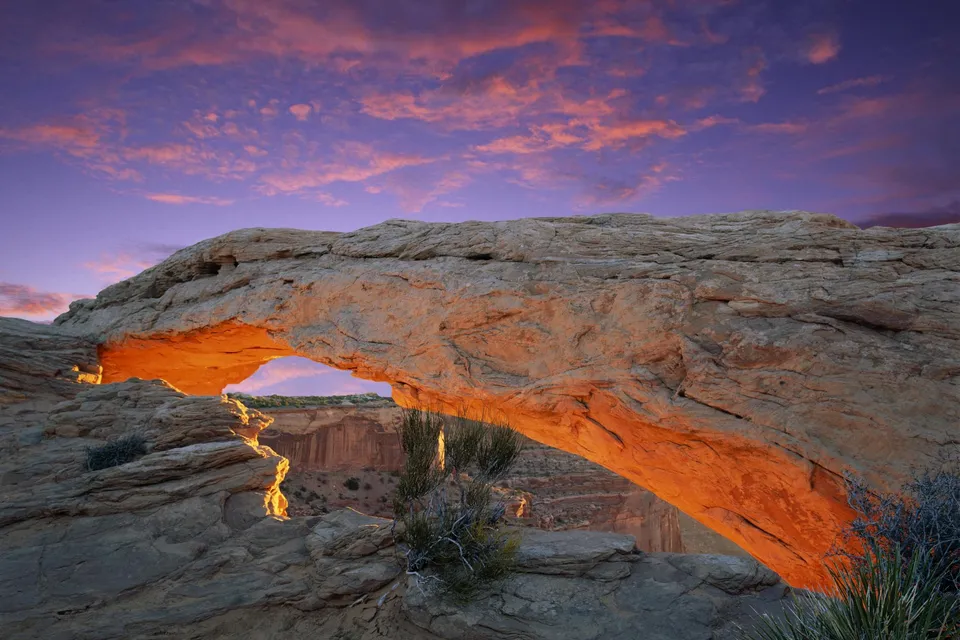
Mesa Arch Illuminated By Golden Sunrise Light
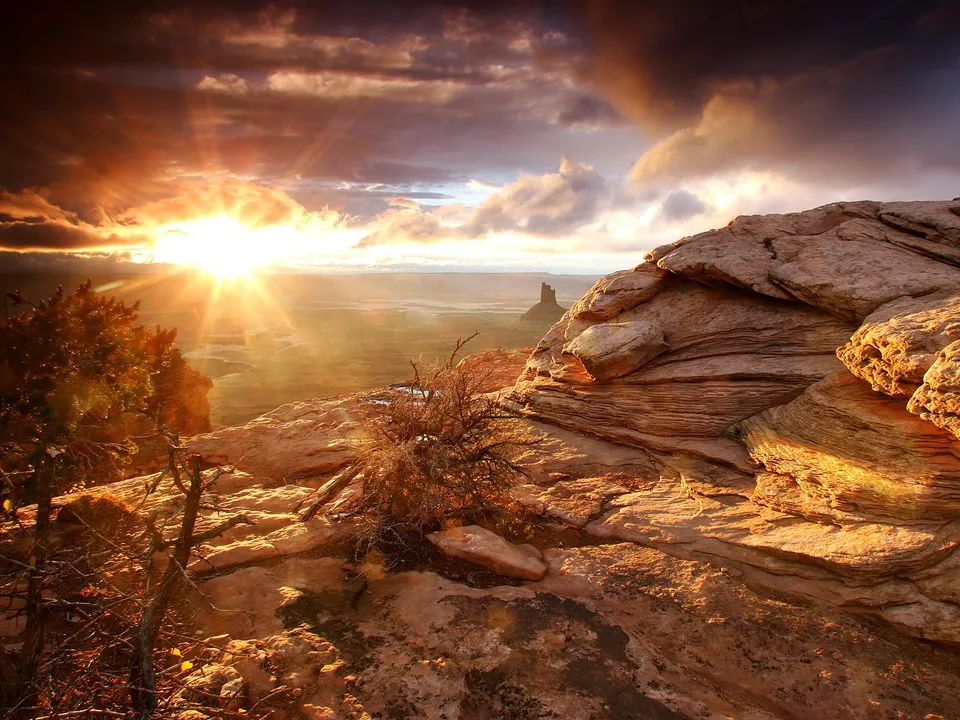
Dramatic Sunrise Over Arid Canyon Landscape
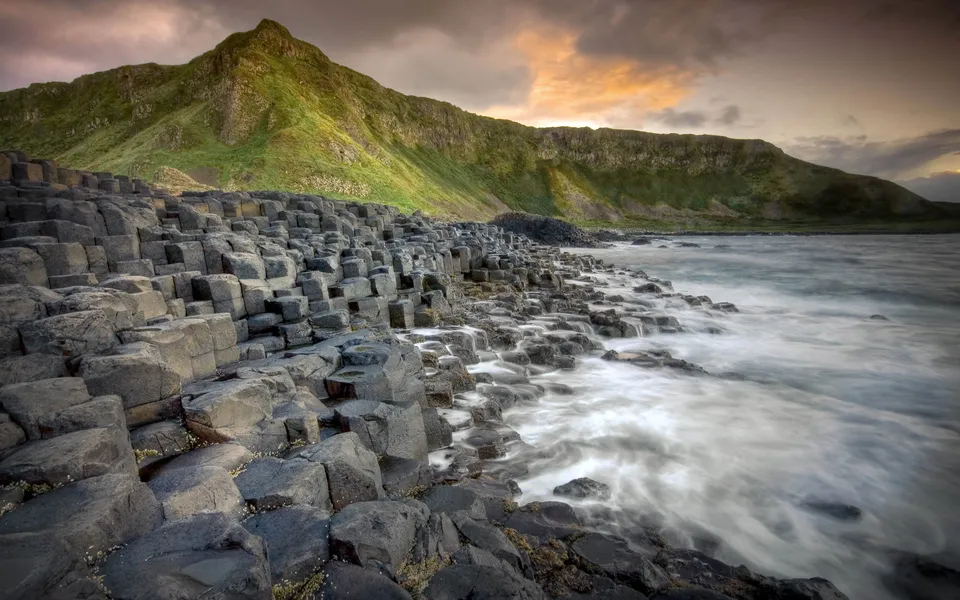
Dramatic Sunset Over Giant's Causeway Coastline
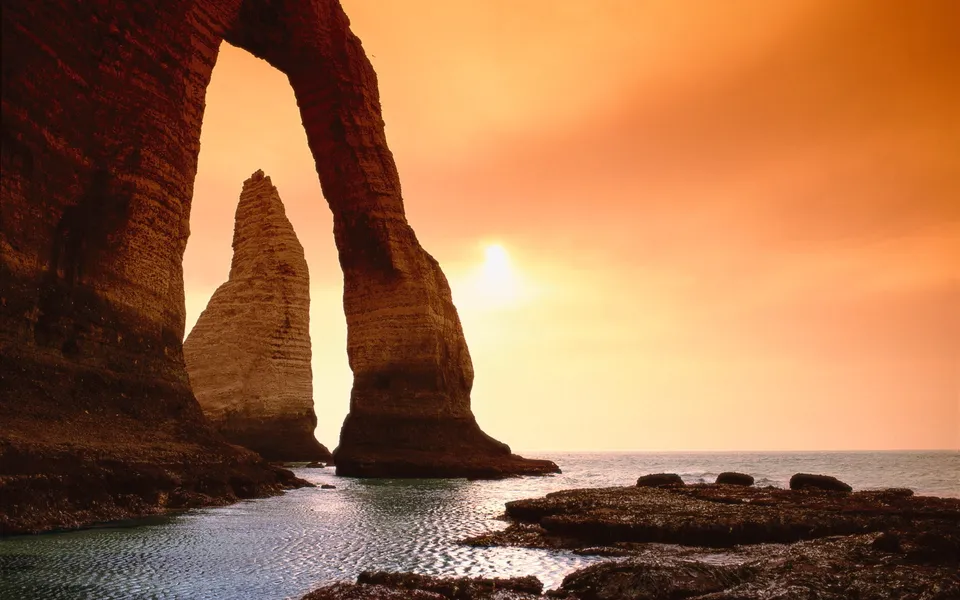
Dramatic Sea Arch at Sunset Over the Ocean
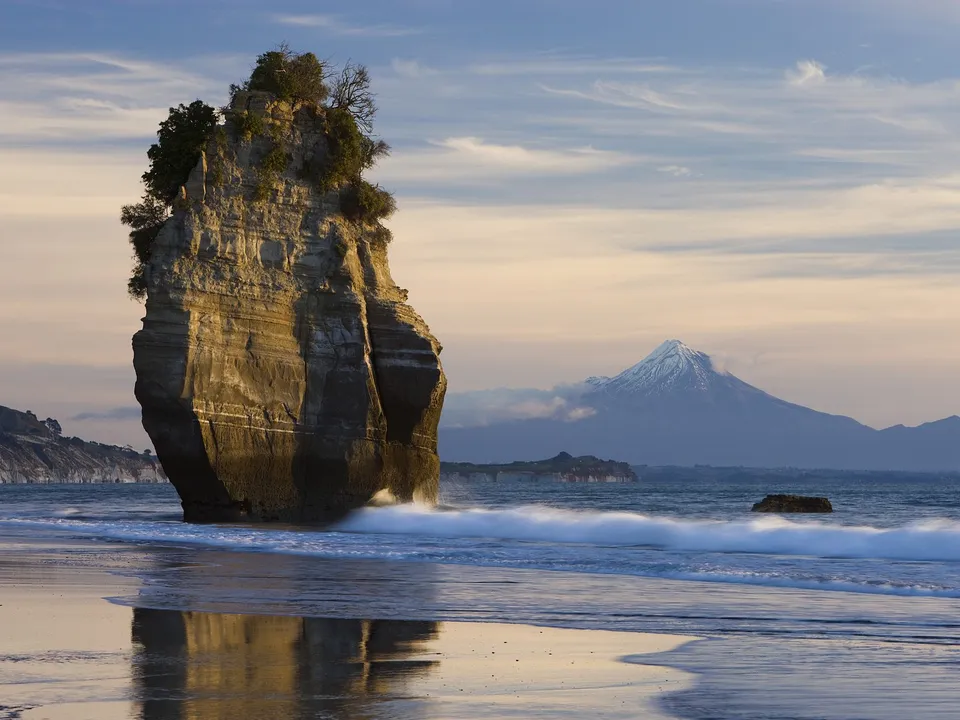
Dramatic Sea Stack Bathed In Golden Hour Light
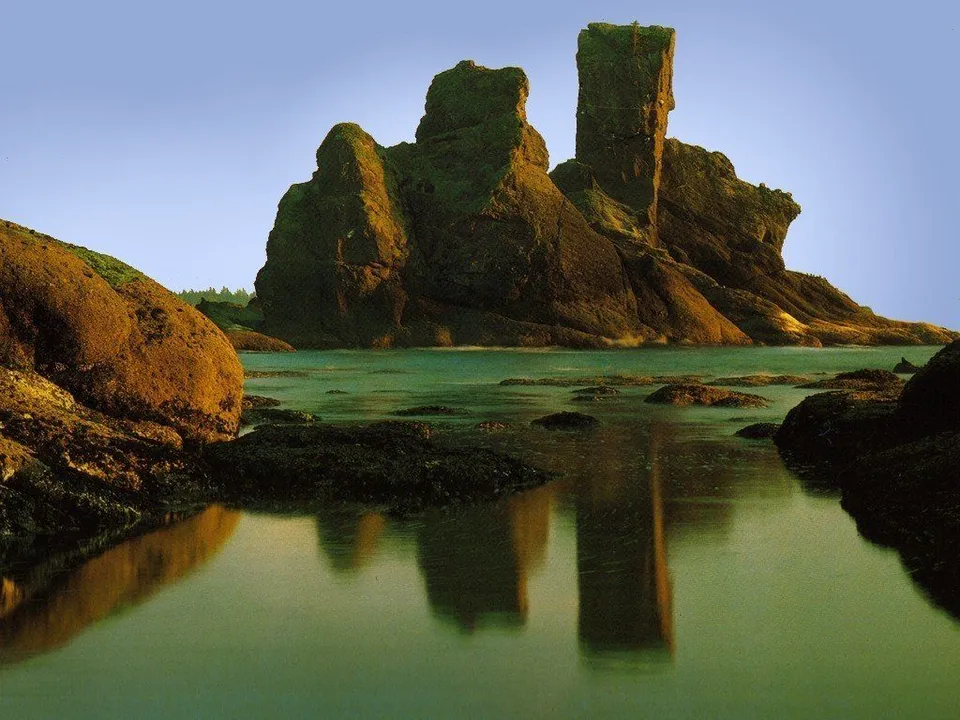
Dramatic Sea Stacks Reflecting in Calm Water
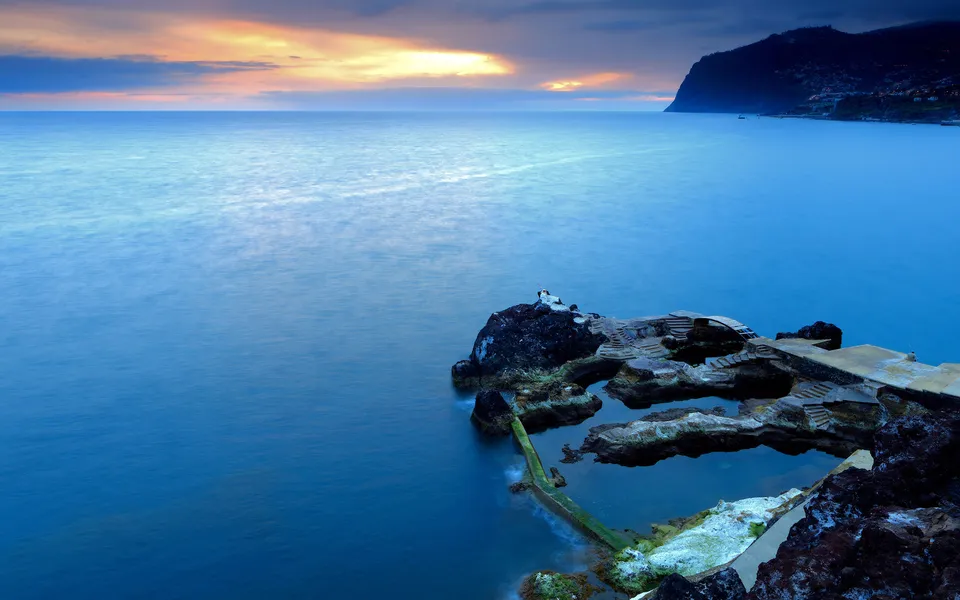
Dramatic Sunset Over Volcanic Coastline Pools
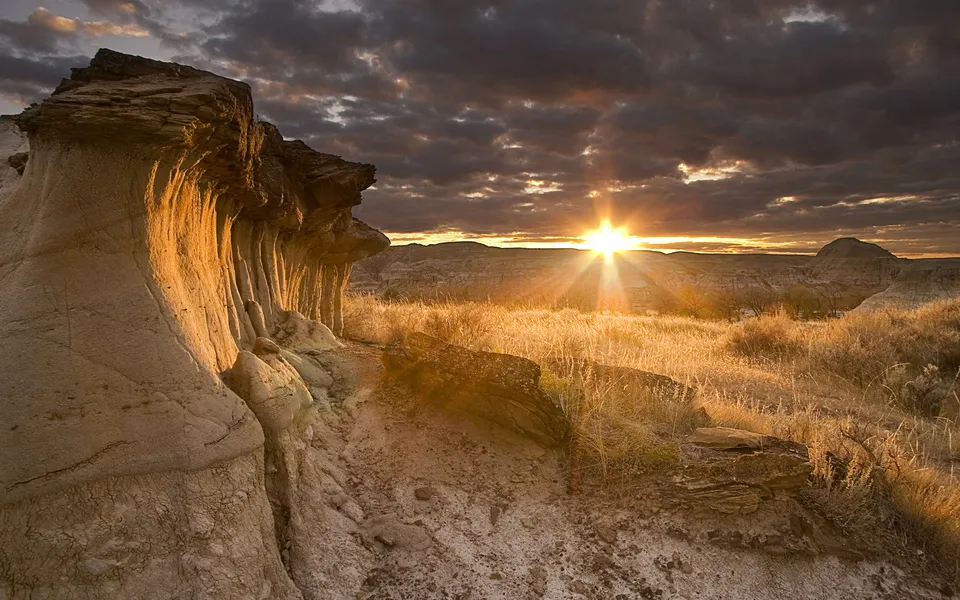
Golden Hour Light On Eroded Badlands Formations
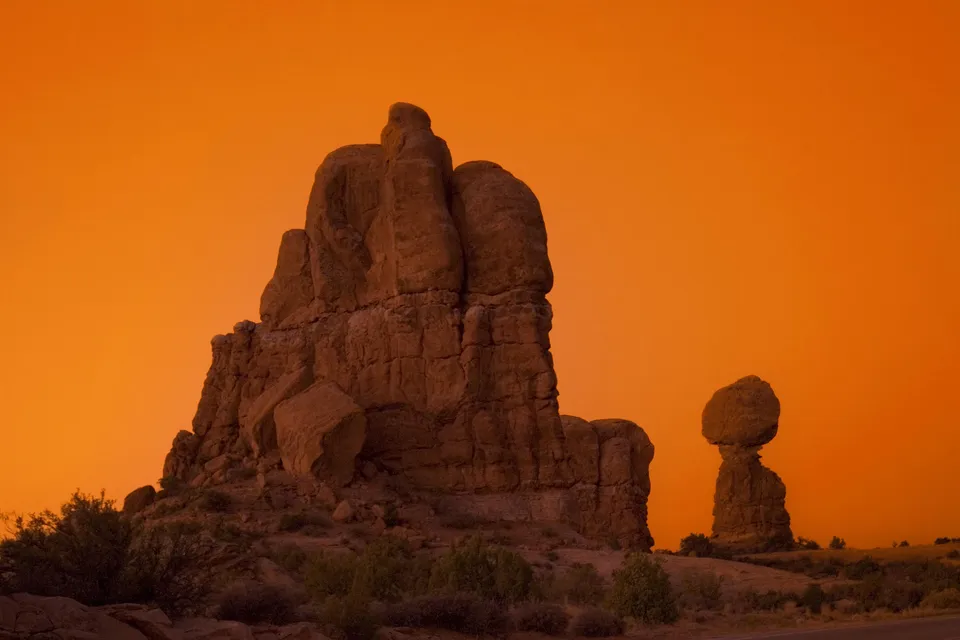
Balanced Rock At Arches National Park Sunset
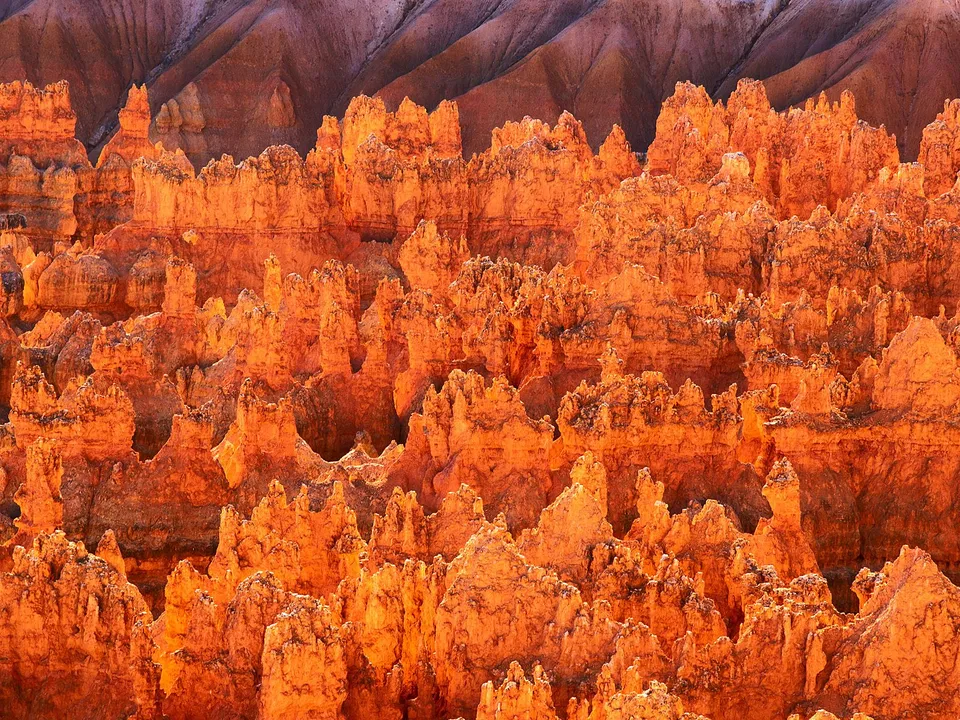
Golden Hour Light On Bryce Canyon Hoodoos
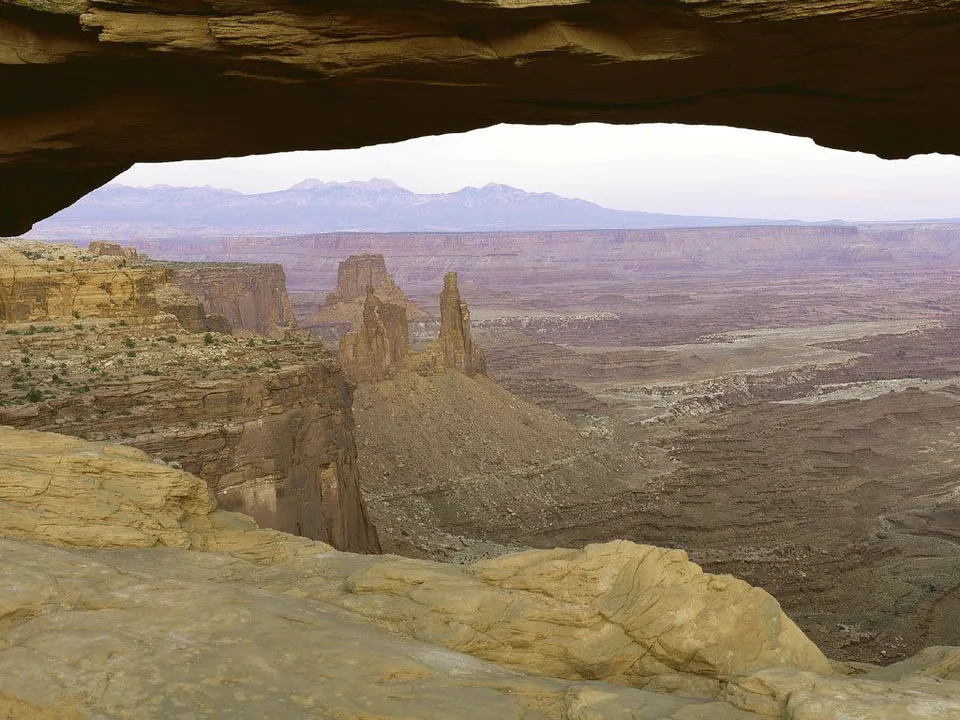
View Through Rock Arch Over Desert Canyons
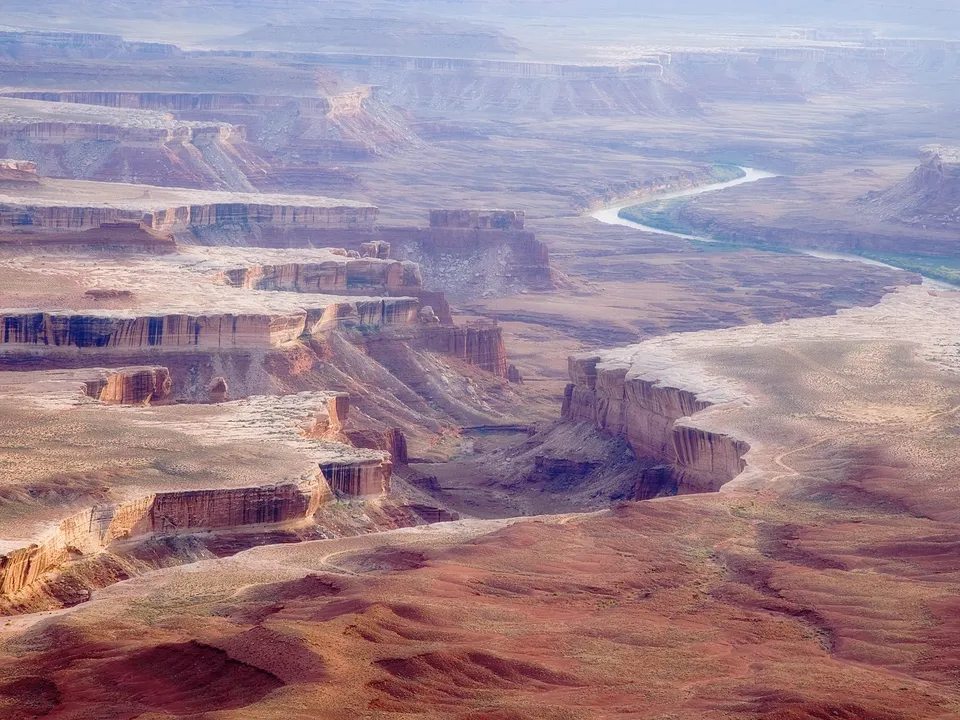
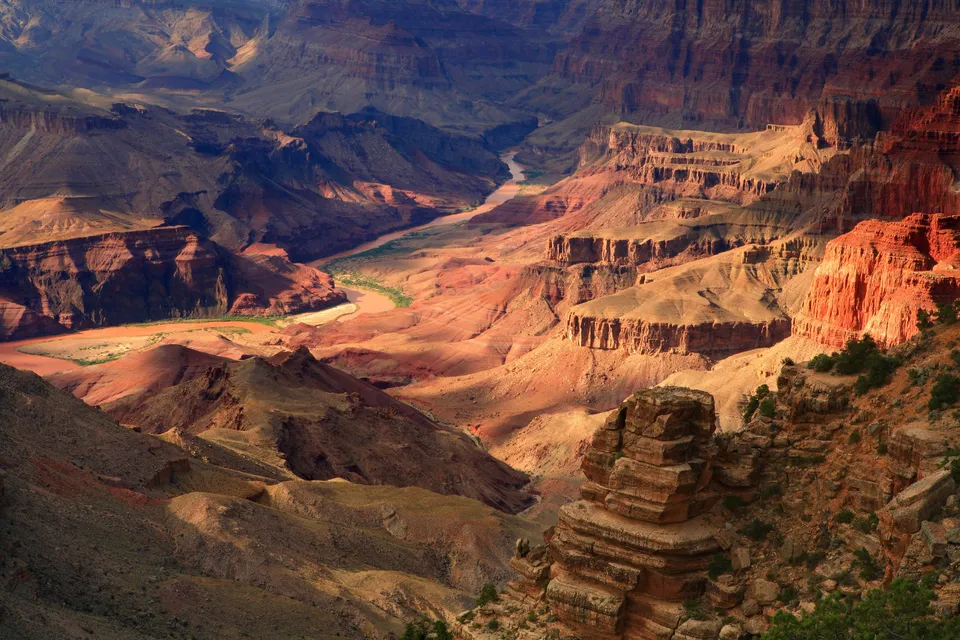
Expansive Canyonlands With Winding River Below
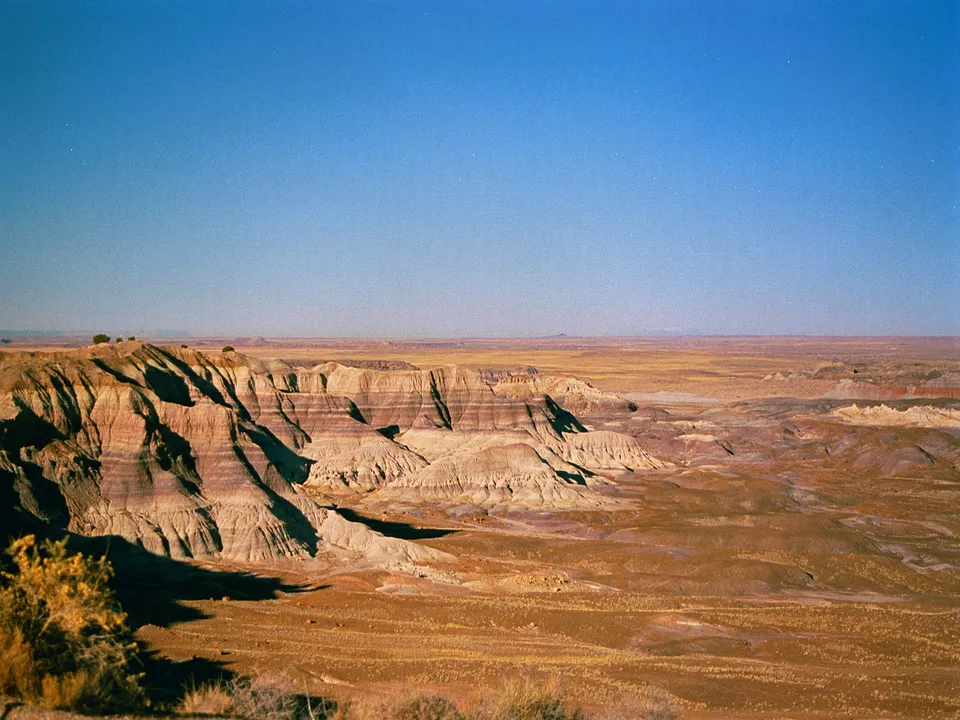
Vast Desert Badlands Under A Clear Blue Sky
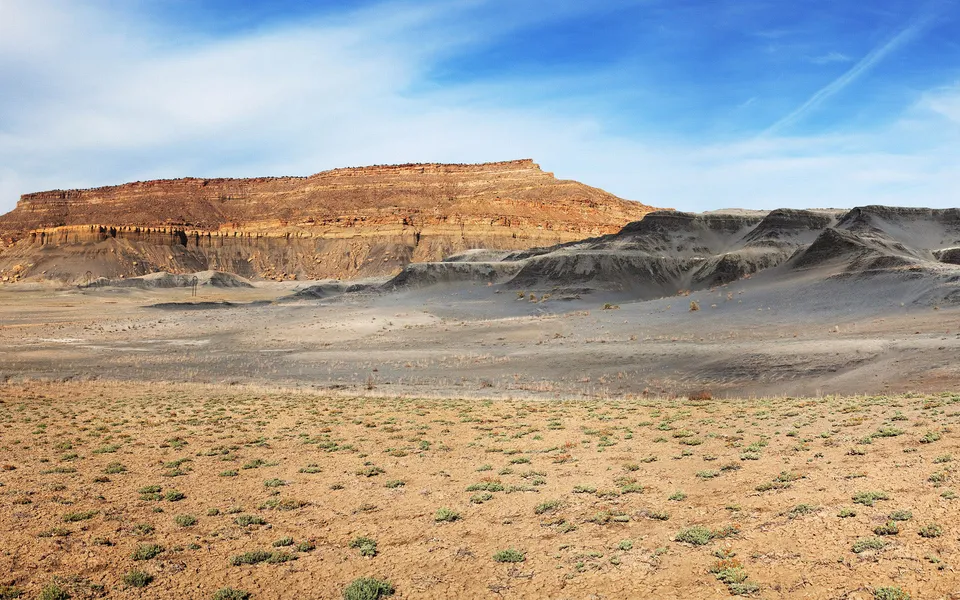
Expansive Desert Landscape Under a Blue Sky
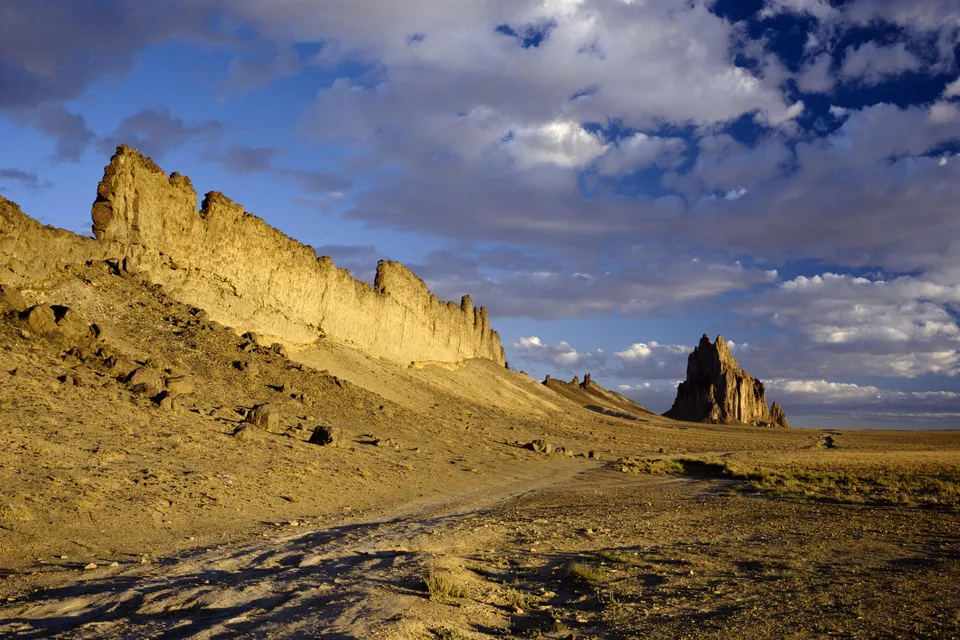
Dramatic Desert Landscape Under a Cloudy Sky
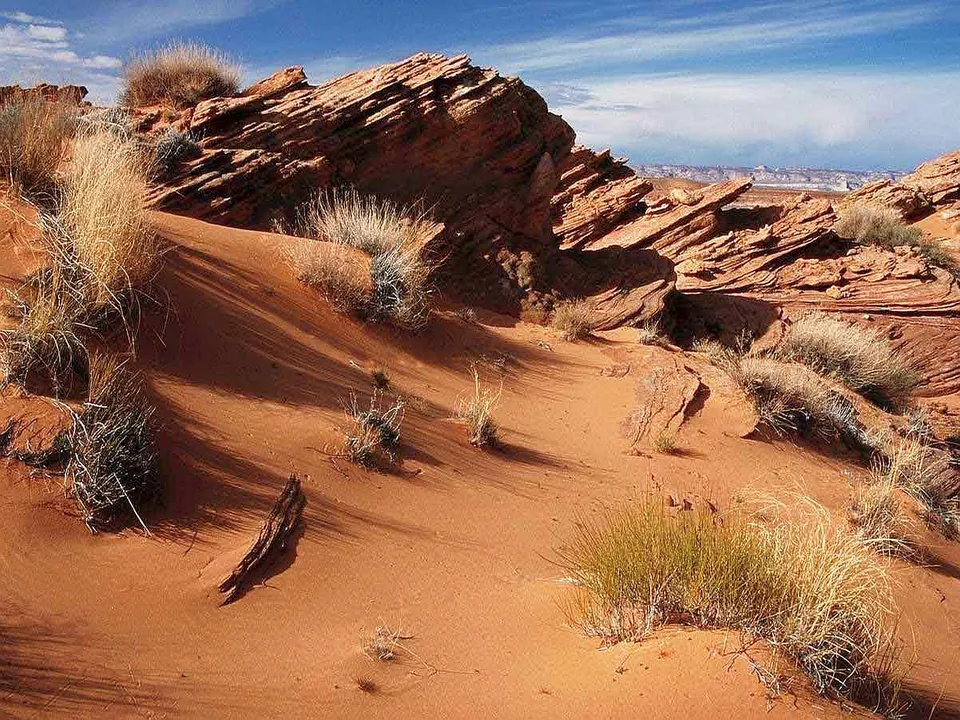
Arid Landscape With Sand Dunes And Rock Formations
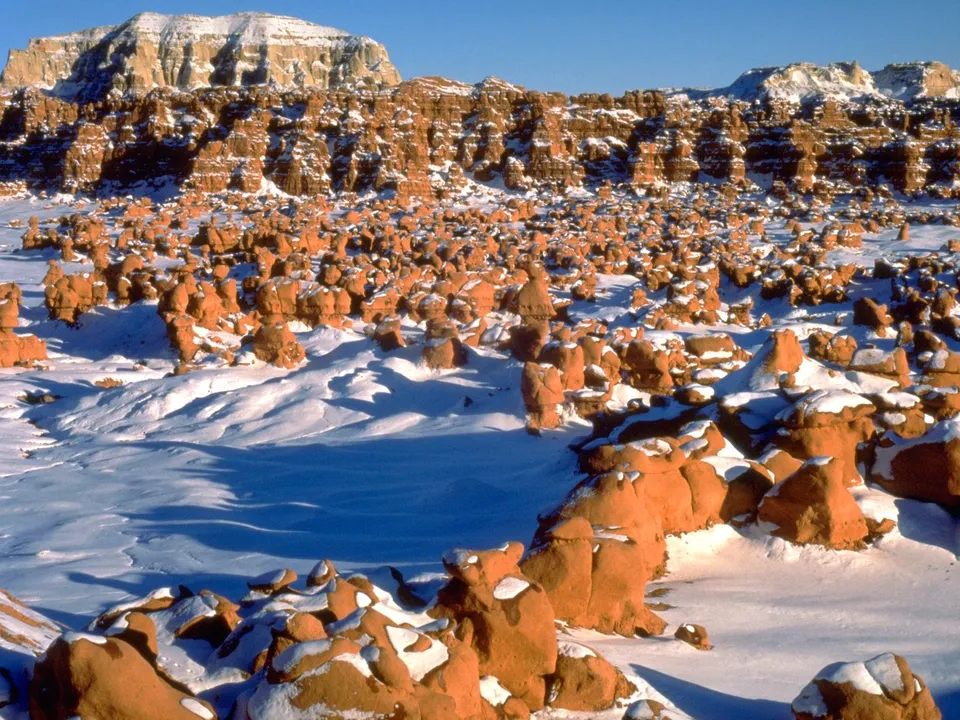
Goblin Valley Hoodoos Covered In Winter Snow
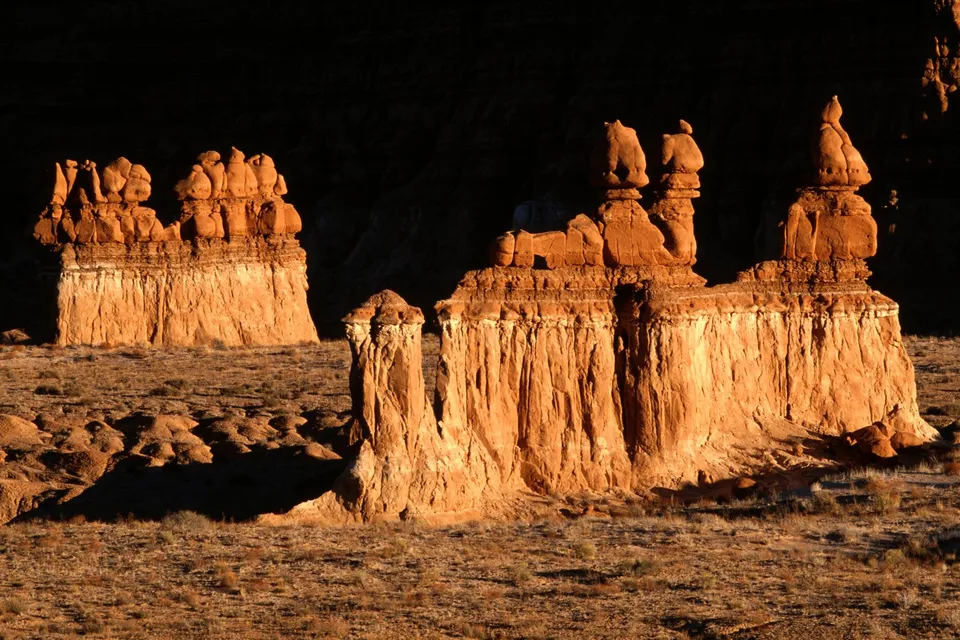
Golden Hour Light On Goblin Valley Hoodoos
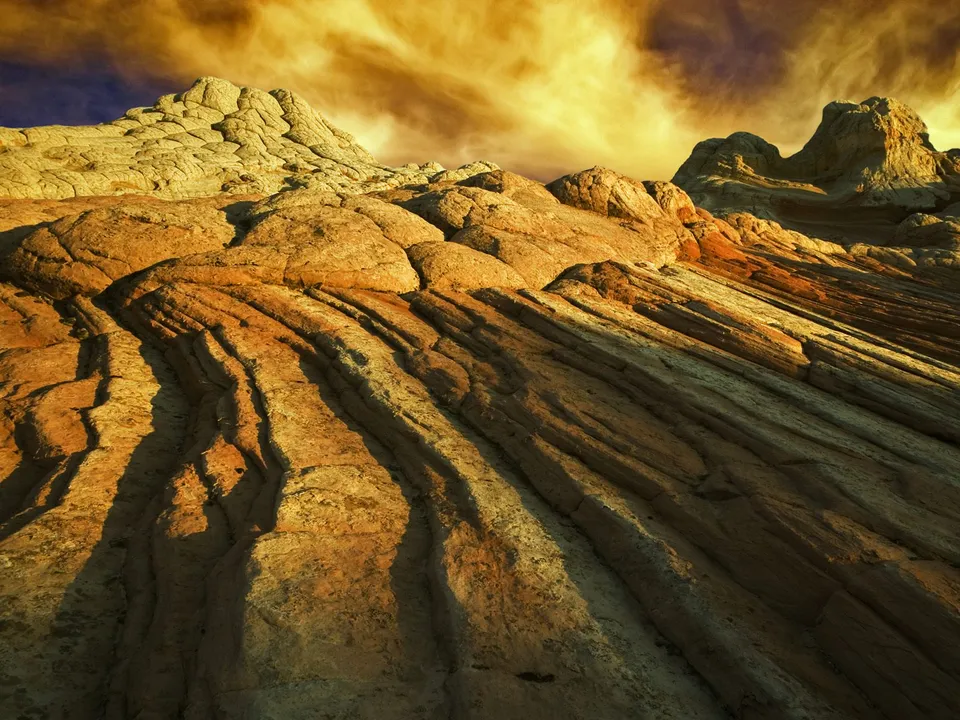
Golden Hour Light On Swirling Sandstone Formations
Questions and answers
What types of rock formations are shown here?
The photographs show various types of rock formations. These include sandstone arches, towering mesas, and carved canyon walls. Many images feature the Grand Canyon and other notable geological structures. The collection also includes formations found in desert environments.
Where are these rock formations located?
The rock formations are located in several regions. Many photographs were taken in the American Southwest, specifically in Utah and Arizona. Other images show formations from different parts of the world. The locations vary but often feature arid or mountainous terrain.
How do rock formations develop?
Rock formations develop through geological processes. Weathering and erosion by wind and water gradually sculpt the rock. The type of rock and the local climate influence the resulting shapes. These processes can take millions of years to create the formations seen in these photographs.
Are there photographs of rock formations near water?
Yes, some photographs show rock formations near water. These include formations along rivers and lakes. A few images feature rock structures reflected in calm water. You can find these within the Lakes and Rivers category.